After almost eight months away from blogging, I wanted my return post to be intentional—and genuinely helpful. As a content creator and influencer, I’m asked constantly about my haircare and skincare routines. So, I’m particular, consistent, and very thoughtful about what I use—and naturally, that curiosity extends to how I care for my child.
One question that lands in my DMs more than you’d expect is: “When do you start grooming routines for your teenager?” My answer is always the same—at the right time, and with the right intention.

Self-care for teens isn’t about rushing them into adult routines or setting unrealistic beauty standards. It’s about teaching awareness, hygiene, confidence, and acceptance and ownership of their own bodies. Grooming is a life skill, and when introduced thoughtfully, it becomes empowering rather than overwhelming.
As you all know, Ms. Riri is now 15, and over the last year, we noticed very normal changes—fine facial hair, light body hair, and evolving hair needs. Instead of avoiding the conversation, we leaned into it together. What follows is our simple, safe, and age-appropriate routine for face, body, and head hair—one that prioritizes comfort, safety, and confidence.
FACIAL HAIR- DERMAPLANING
When facial fuzz becomes noticeable, many teens feel self-conscious—especially in photos or under makeup. There are several facial hair removal options available, but not all are ideal for young, sensitive skin.
Here’s why we did not choose the below mentioned methods:
- Face waxing: Can be harsh, painful, and irritating for teen skin
- Threading: Effective, but often uncomfortable and can cause redness
- Hair removal creams: Contain chemicals that may trigger reactions or sensitivity
For us, dermaplaning felt like the safest and gentlest option—when done correctly.
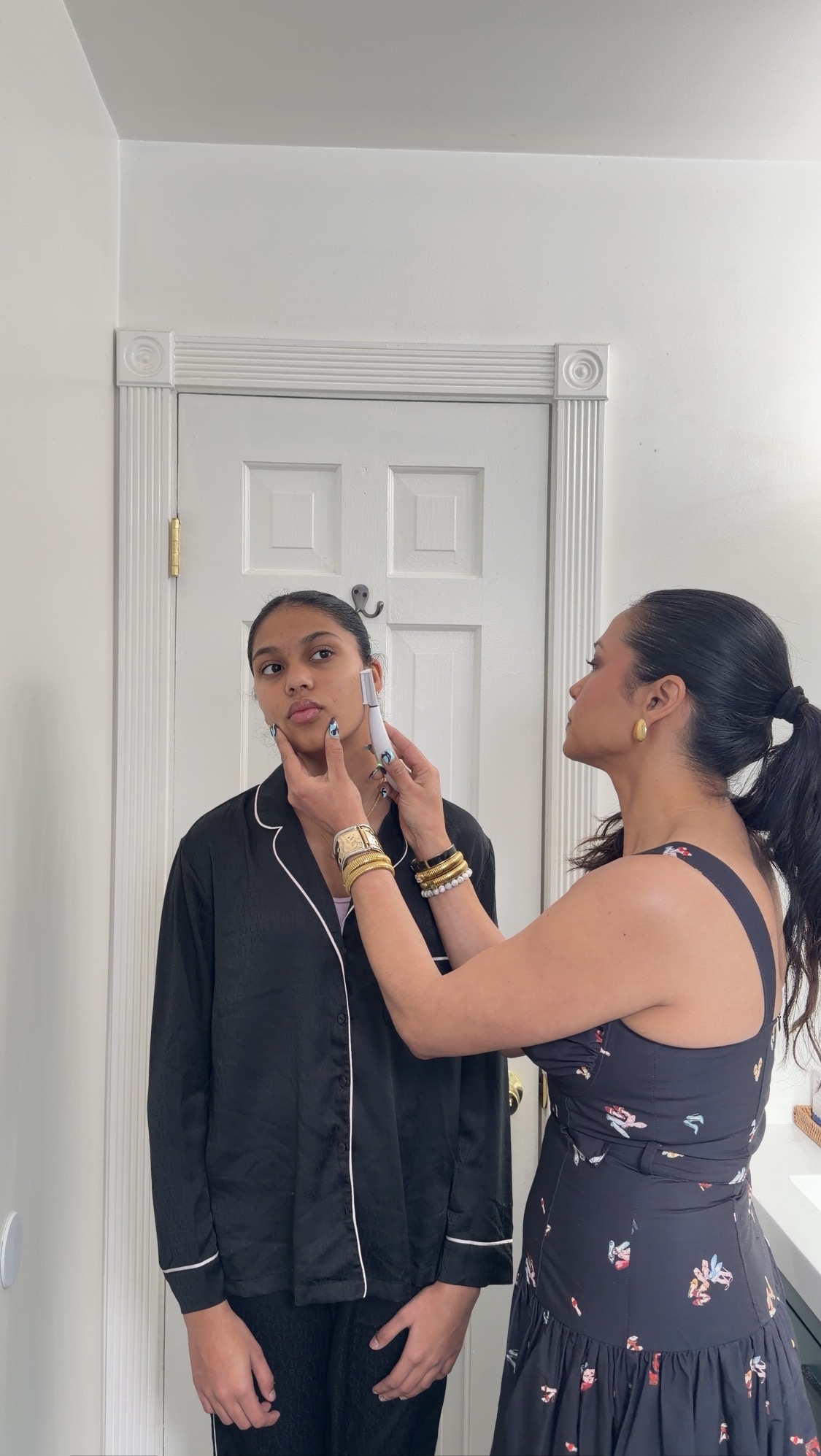
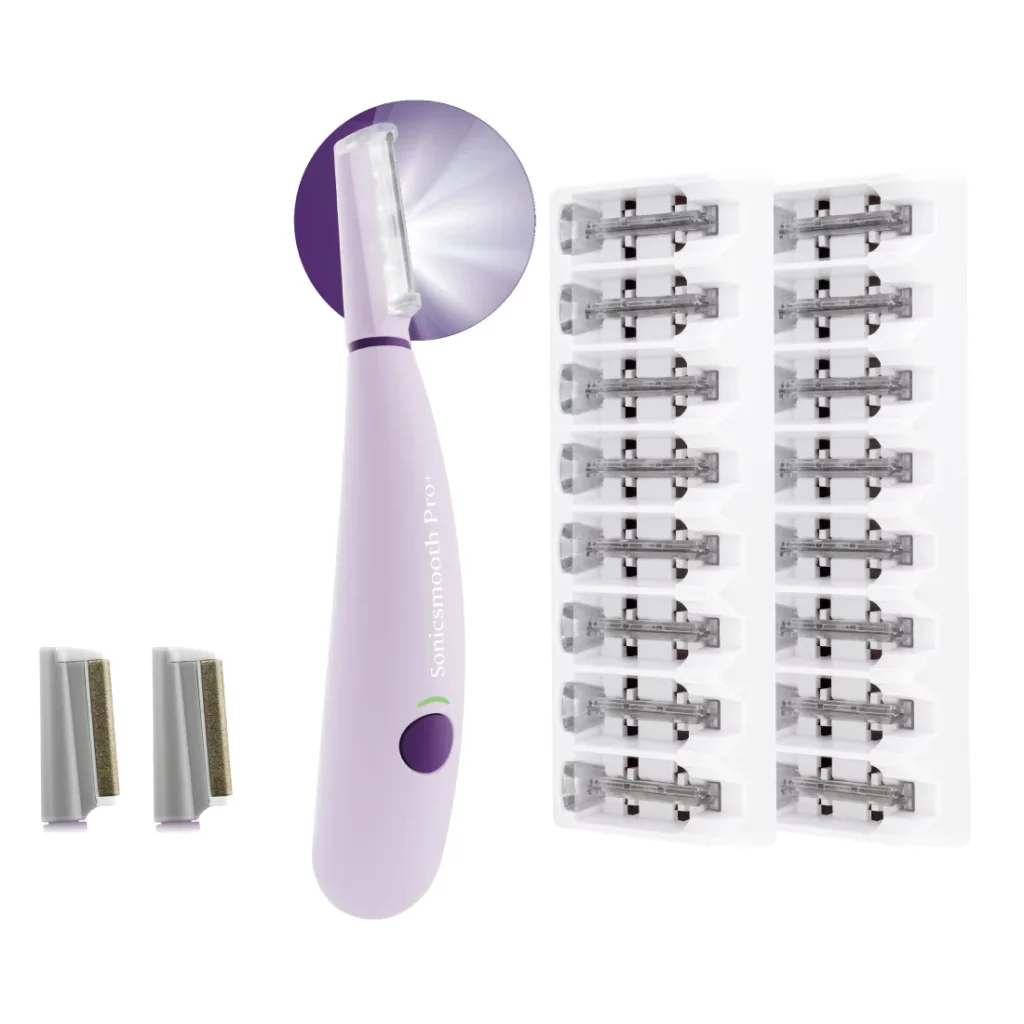
We use a dermaplaning device from Michael Todd, Sonicsmooth Pro and what makes it teen-friendly is the design:
- A full handle grip for better control
- Three adjustable speed settings, choose as per hair thickness and area
- A guarded blade system that feels far safer than traditional dermaplaning razors.
I personally avoid regular dermaplaning blades because I’ve nicked myself with them a few times before. This device feels controlled and beginner-friendly. We only do this occasionally, always on clean, dry skin, and with a strong focus on safety—not frequency. Don’t forget to sanitize the device with rubbing alcohol before and after use.
BODY HAIR – WAXING
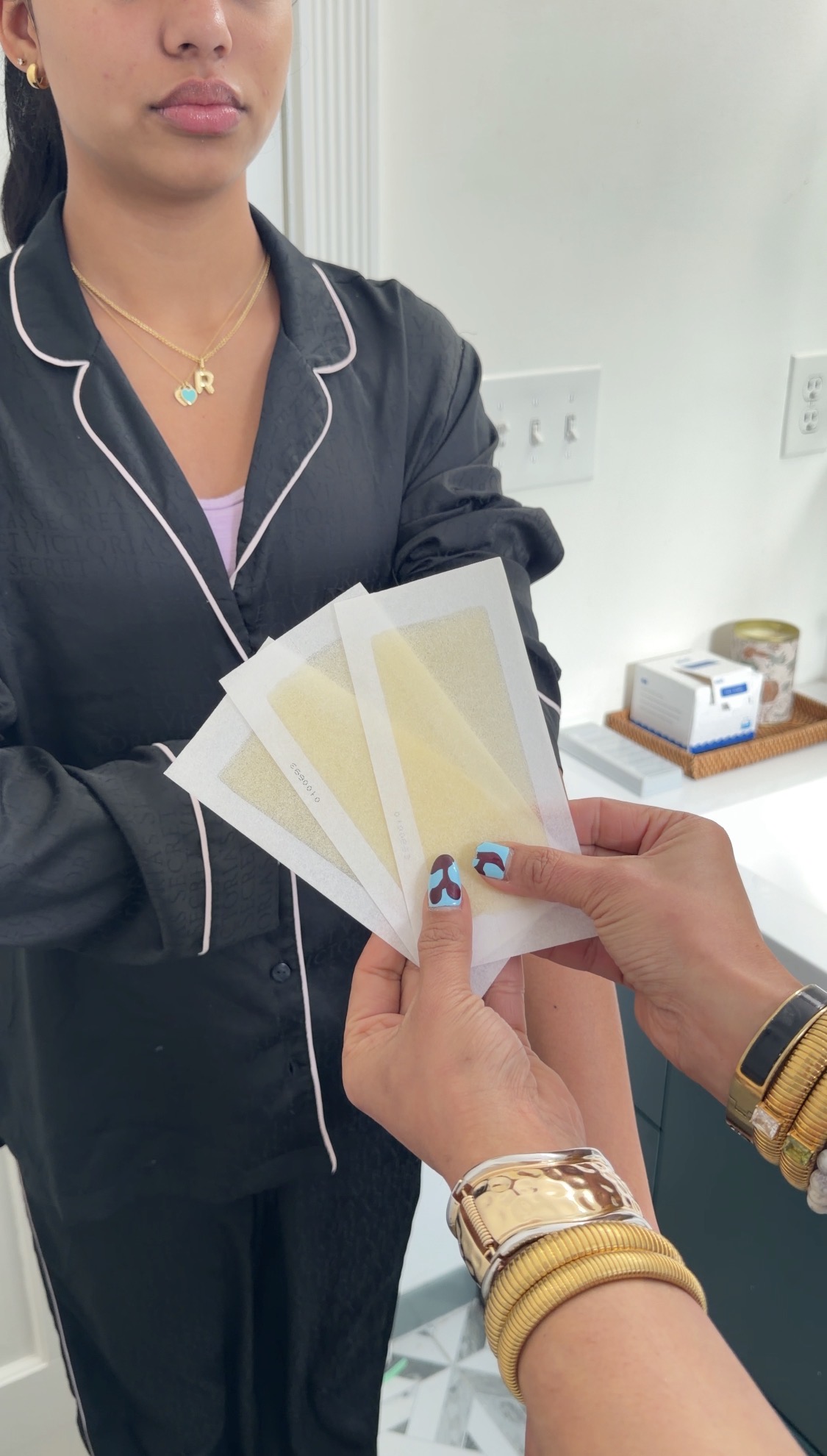
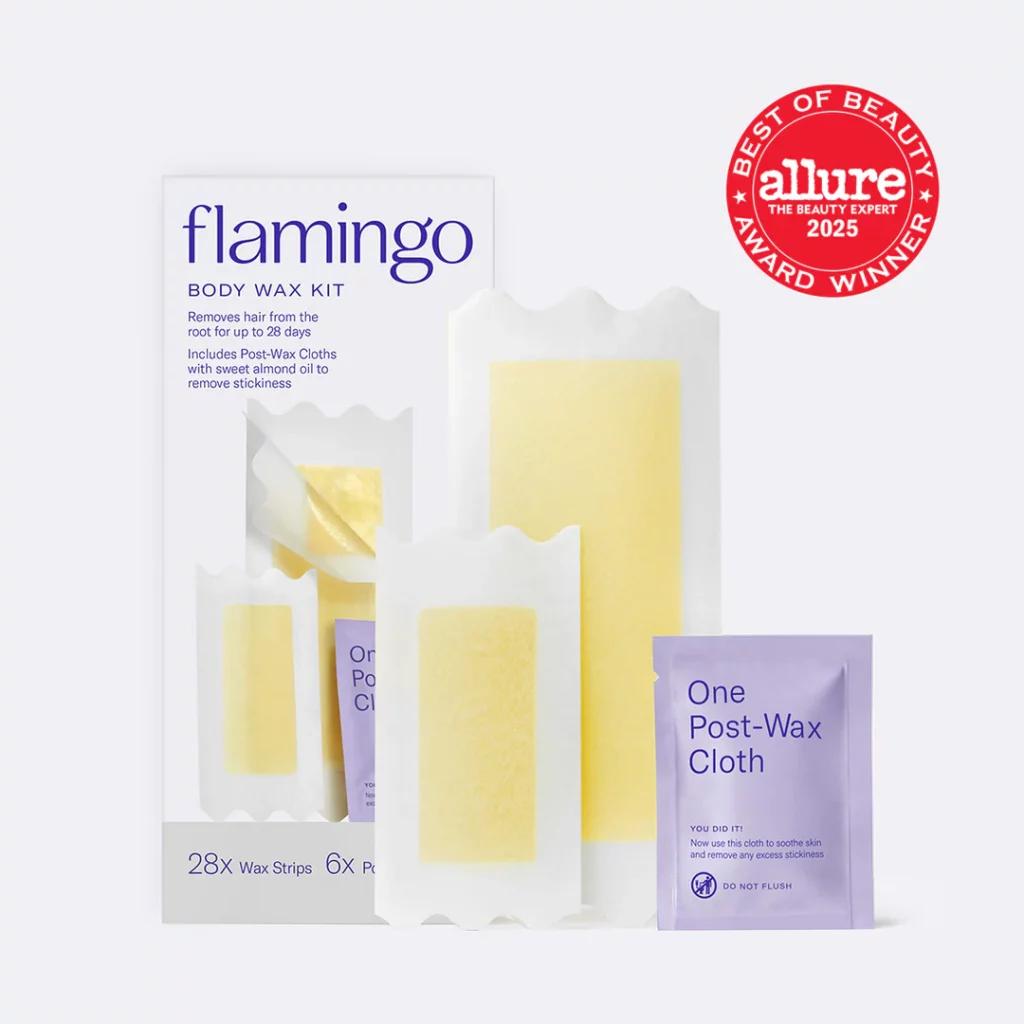
For body hair, simplicity matters. Since growth is still minimal for Ms. Riri, pre-wax strips have been the easiest solution.
Why they work well for teens:
- No heating or complicated steps
- Minimal irritation when used properly
- Effective for fine hair
- Quick and mess-free
We only need them every few weeks, which keeps things low-maintenance and stress-free. We could’ve used the razor, but razor makes the hair thick and your skin itches a lot when the hair is growing back. These strips are a genius way to tackle teen body hair.
HEAD HAIR
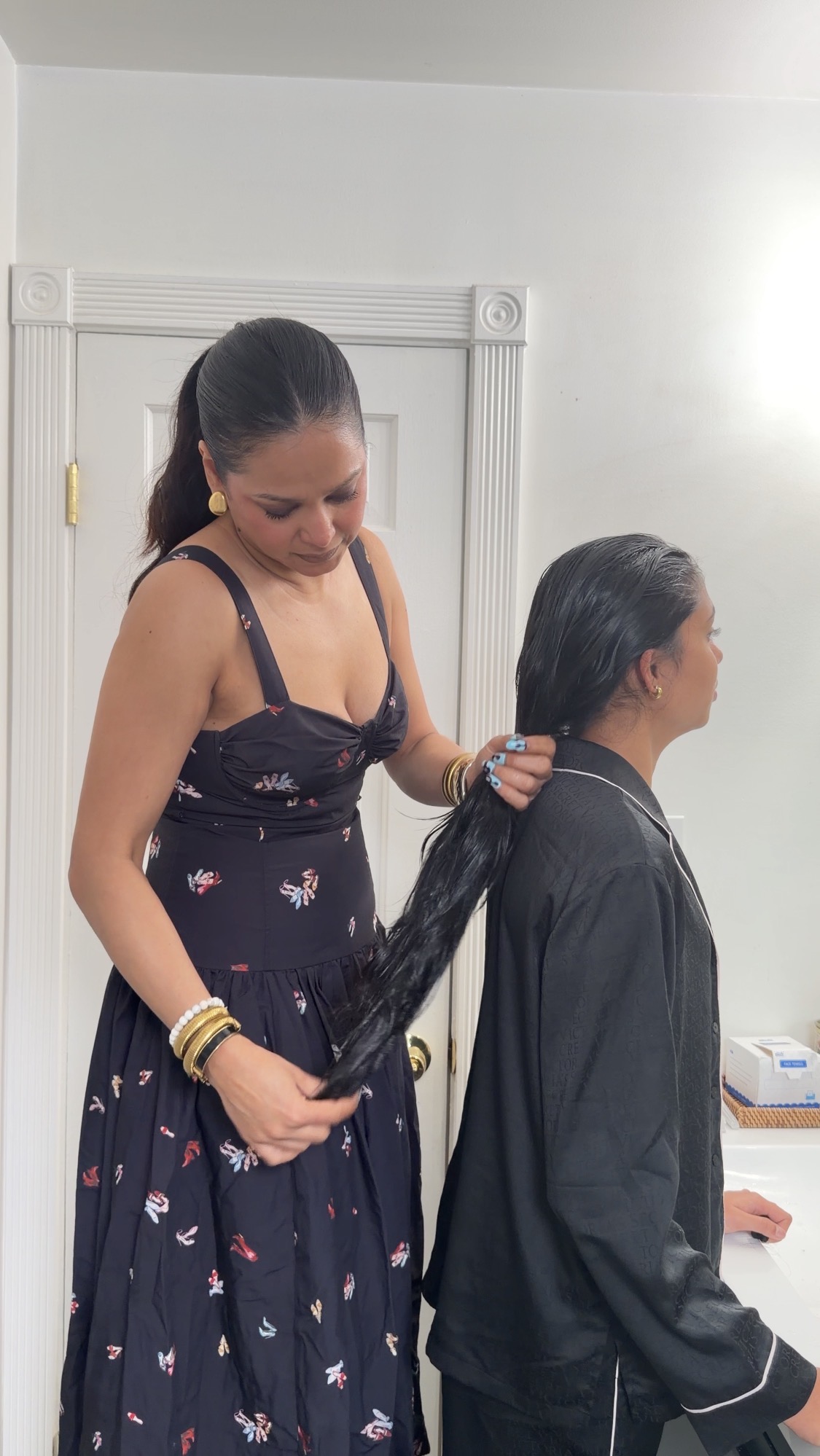
Hair oiling has always been one of my non-negotiables—and it’s something that has been passed down generation after generation. Long before trending serums and scalp treatments existed, oiling was the foundation of healthy hair care. It’s simple, effective, and rooted in tradition for a reason—it works!
When it comes to Ms. Riri’s hair, I intentionally keep things old school. I personally don’t trust most ready-made hair oils on the market, especially for young, developing scalps. Many contain added fragrances, preservatives, or unnecessary ingredients that teen hair simply doesn’t need.
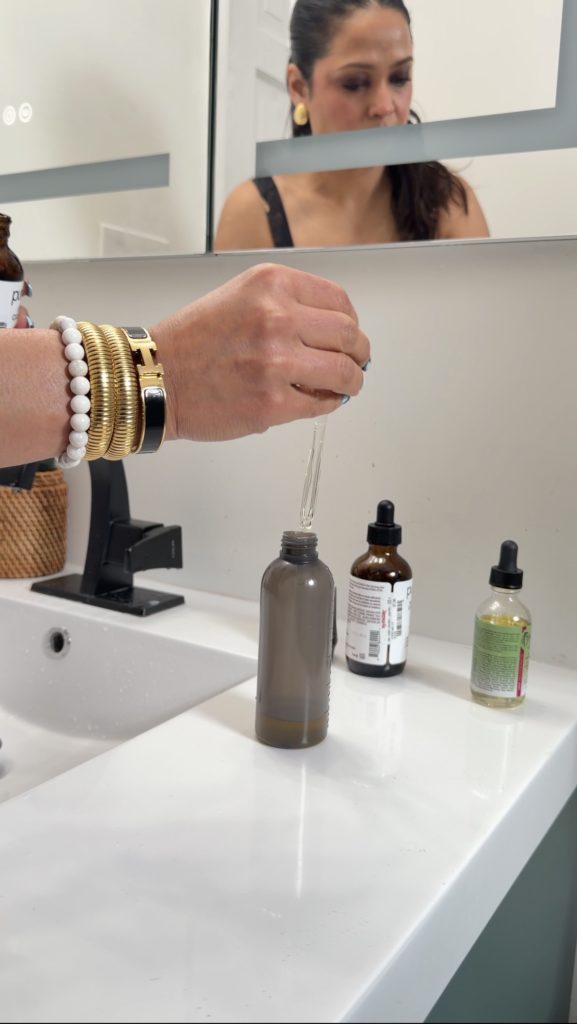
Instead, we make our own oil blend at home, keeping it clean, minimal, and nourishing. Our mix includes:
- Olive oil as the base oil
- Castor oil
- Almond oil
- Vitamin E oil
- Rosemary oil
We oil her hair once or twice a month, focusing on the scalp and working it through the lengths. This helps with scalp health, softness, and overall hair strength without weighing the hair down. She leaves it overnight and shampoos as usual the next day. A simple and easy to stick to routine.
Haircuts happen every 12–16 weeks, and she already knows how she likes her hair shaped. Teaching her to care for her hair early—while respecting tradition—has been one of the most grounding parts of her self-care routine.
FAQs: Teen Hair Care & Grooming
When should teens start grooming routines?
When they begin noticing changes and asking questions. There’s no fixed age—comfort and readiness matters most.
Is dermaplaning safe for teenagers?
Yes, when done occasionally, with proper tools, hygiene and adult guidance, dermaplaning can be a gentle option for fine facial hair.
What is the safest way to remove facial hair for teens?
Gentle methods like dermaplaning or trimming are often safer than waxing or chemical creams for sensitive teen skin.




Leave a Reply